Unraveling the truth Common casino myths and misconceptions debunked by ice fishing game
The Illusion of Control
One prevalent myth in the gambling world is the belief that players can control the outcomes of games through skill or strategy. Many casino-goers assume that by employing certain tactics, they can sway the odds in their favor. However, games of chance such as slot machines and roulette are primarily governed by random number generators, making it impossible for players to influence outcomes. This misconception can lead to a false sense of security, which may prompt individuals to gamble more than they can afford, chasing the illusion of control. Engaging in an ice fishing game might evoke similar feelings, reminding players of the unpredictable nature of luck.
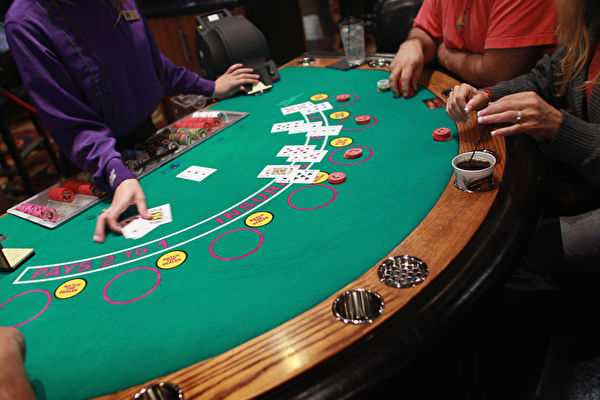
The psychological effects of believing one can control a game can be profound. Gamblers often develop what is known as “gambler’s fallacy,” where they think that past outcomes will affect future results. For instance, if a slot machine hasn’t paid out recently, a player might believe it’s “due” for a win. This mindset can lead to increased betting and higher losses, as players may ignore the fundamental principle of randomness that governs these games.
The gambling experience serves as a metaphorical reflection of this myth. Just as anglers must rely on external factors like weather and fish behavior, gamblers must recognize that luck plays a significant role in their outcomes. Understanding the nature of these games can help mitigate the psychological impact of the gambler’s fallacy and encourage a more responsible approach to gaming.
Misunderstanding the House Edge
Many players underestimate the concept of the house edge, believing they can outsmart the casino. The house edge refers to the built-in advantage that casinos have over players, ensuring profitability over the long term. This misconception can lead to misguided strategies, as players often think they can negate this edge through betting patterns or systems, such as Martingale. In reality, these systems do not change the odds and can result in significant financial loss.
Understanding the house edge is crucial for anyone engaging in gambling activities. It emphasizes the importance of being informed about the odds of each game. For instance, some games like blackjack offer better odds than others, but players must know how to play optimally to take advantage of these odds. By comprehending the house edge, gamblers can make more educated decisions and manage their bankrolls more effectively.
The exploration of the house edge can be seen as a parallel to the house edge in fishing. Just as one must understand the behavior of fish and the conditions of the ice to maximize success, gamblers should familiarize themselves with the odds and mechanics of their chosen games. This knowledge can lead to smarter choices and a more enjoyable gaming experience, free from the delusions of winning through sheer will.
The Role of Luck vs. Skill
The distinction between luck and skill is often blurred in discussions about gambling, leading to various myths. Some players believe that skills can overcome unfavorable odds in games that are predominantly luck-based, while others dismiss games of skill, like poker, as purely luck-driven. Recognizing the balance between these two elements is vital for understanding how to approach different types of games.
In games like poker, strategy and psychological acumen play significant roles; however, luck still influences the outcome, particularly concerning the cards dealt. This duality is often misunderstood, resulting in players either underestimating their skill or overestimating the role of luck. Acknowledging this balance can help players develop a more realistic understanding of their gaming capabilities and outcomes.
The relationship between skill and fortune reflects this balance as well. Success can depend on various factors, from the fisher’s technique to environmental conditions. Those who fail to appreciate the role of luck may become disillusioned when their efforts do not yield results. Thus, understanding how luck and skill interplay in both gambling and ice fishing can lead to a healthier perspective on outcomes and expectations.
The Myth of the Lucky Charm
Many gamblers cling to the notion that certain objects or rituals, often referred to as lucky charms, can influence their outcomes. Whether it’s a specific shirt or a particular seating arrangement at the casino, players often believe these charms bring them fortune. This belief in superstition can lead to irrational behaviors and a reliance on external factors rather than understanding the game’s inherent randomness.
The psychological impact of lucky charms is worth examining. When players attribute wins to these objects or rituals, they reinforce their beliefs, which can create a cycle of dependence. This mindset detracts from the understanding of probability and can lead to more impulsive gambling behaviors. By recognizing the futility of relying on luck, players can focus on developing strategies that are grounded in reality.
The concept of lucky charms serves as a reminder that while external conditions can affect success, preparation and skill are paramount. Just as anglers cannot rely solely on lucky charms to catch fish, gamblers must understand that relying on superstitions will not change the odds of the game. Embracing a more rational approach will lead to a more fulfilling and sustainable gambling experience.
Responsible Gaming and Knowledge Empowerment
Understanding the truth behind common casino myths is critical for responsible gaming. Many players enter casinos with preconceived notions that can lead to detrimental behaviors. By debunking these misconceptions, players can cultivate a healthier relationship with gambling. Responsible gaming encompasses understanding one’s limits and approaching games with a realistic mindset.
Educational resources are essential for empowering players to make informed decisions. Casinos and gaming organizations can provide information on the odds and mechanics of various games, promoting transparency and fostering responsible behavior. Engaging with knowledge can help dispel myths and encourage a more rational approach to gambling, allowing individuals to enjoy the experience without falling prey to misconceptions.
The notion of knowledge empowerment can symbolize the importance of education and preparation in gaming. Just as anglers take the time to learn about their environment and refine their skills, gamblers should invest time in understanding the games they play. This commitment to education not only enhances the gaming experience but also promotes responsibility, ensuring that players engage in gambling as a form of entertainment rather than a means to an end.